
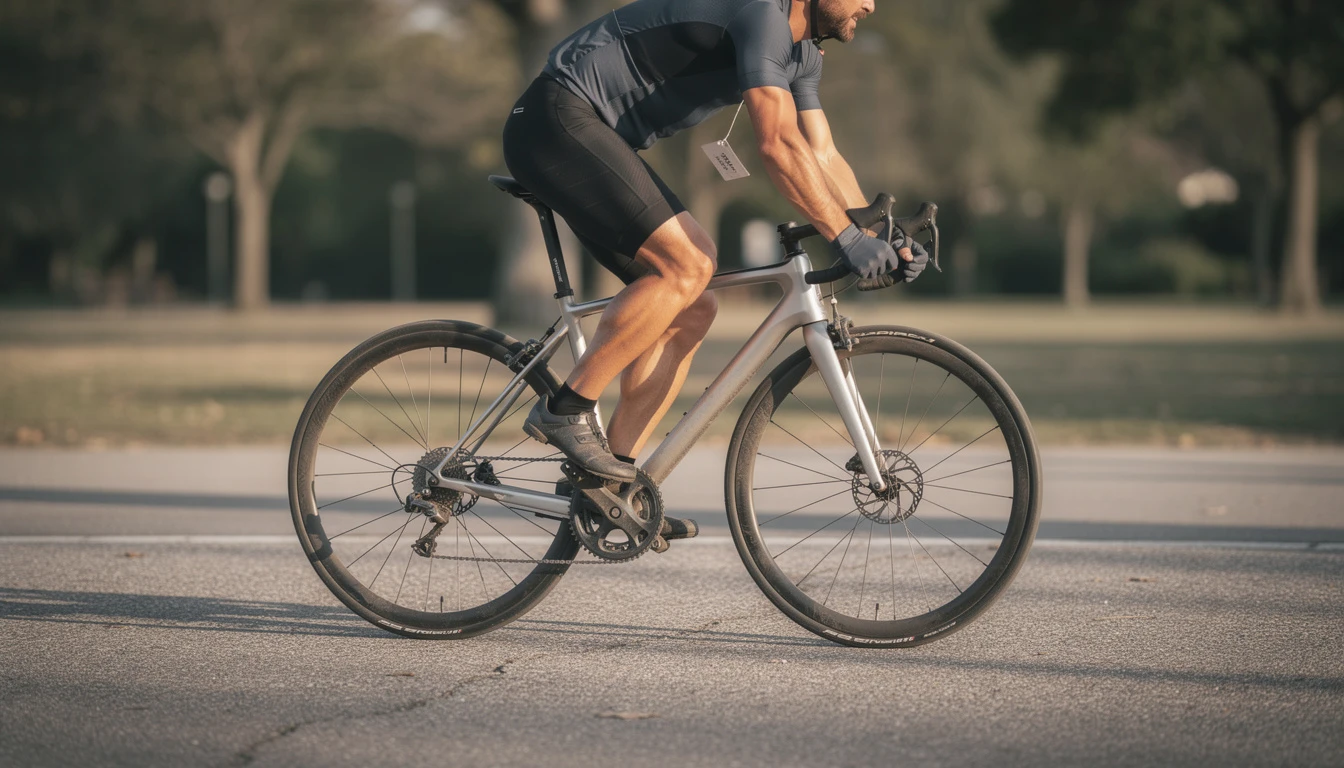
Curiosity often arises about the true impact of regular bike rides on glute muscles. Many enthusiasts wonder whether cycling is truly good for glutes, or if other activities might deliver better results. This article delves into how much cycling can help with building and toning glutes, identifies which lower body muscles receive the most attention, and shares practical tips for anyone aiming to maximize glute activation during each ride.
Understanding glute activation during cycling
Cycling engages several major muscle groups in the lower body, but a key question remains: do pedal strokes actually activate the glutes enough to produce noticeable changes in strength and appearance over time?
The answer relies on multiple factors such as technique, resistance, and duration. Glute activation occurs as these muscles contract to power the pedals, especially when tackling uphill climbs, sprints, or rides with higher tension.
How do the glutes function during cycling?
The gluteus maximus, medius, and minimus all play distinct roles while riding. The gluteus maximus primarily handles hip extension, which happens as the pedal moves downward and backward.
This action brings the largest glute muscle into focus, particularly when working against gravity or increased load. Meanwhile, the gluteus medius and minimus stabilize the hips, ensuring each leg executes an efficient pedal stroke.
What affects muscle engagement during cycling?
Several variables influence muscle engagement during cycling. Seat height, saddle position, intensity, and cadence all determine whether glute activation is optimized or limited during a session.
A low seat or overly forward posture may shift effort from the glutes to the quadriceps. In contrast, proper positioning supports stronger hip extension and boosts glute strength over time—an essential consideration for cyclists seeking improvement.
Glute strength and toning: can cycling deliver?
It is common to see cyclists with firm legs and toned lower bodies, but the specific effect of cycling on glutes compared to thighs depends largely on cycling form and workout structure.
For those focused on building glutes through cycling, attention to training style, resistance, and consistency is key. Not all rides are equal when it comes to muscle development and definition.
When does cycling help build glutes?
Building glutes becomes more likely when rides include challenging hills, interval bursts, or slow, heavy climbs. Pedaling on flat ground at low resistance mainly improves endurance rather than muscle growth or hypertrophy.
Pushing through steep gradients activates the posterior chain, demanding greater effort from the gluteal muscles. This approach leads to improved muscle tone and a rounder shape, provided there is adequate recovery and nutrition.
Limitations of just relying on cycling for glute growth
While cycling can be effective for glute activation, relying solely on it does have limitations. Some individuals notice changes in firmness and size, but others experience limited progress compared to combining cycling with targeted strength-training exercises like squats, lunges, or deadlifts.
Most cyclists will benefit more by integrating resistance-based workouts off the bike. This combination allows for focused glute engagement and introduces varied movement patterns that cycling alone cannot provide.
Lower body muscles worked: beyond the glutes
Cycling challenges much more than just the glutes. Hamstrings, quadriceps, calves, and even core stabilizers work together to maintain balance and propel the bike forward.
Understanding exactly which muscles contribute enables riders to refine their routines according to personal goals, creating a more comprehensive workout plan.
- Quadriceps (front thighs): heavily engaged, especially during the upward phase of pedaling
- Hamstrings (back thighs): contract to lift the pedal up, supporting hip flexion and knee bending
- Calves: assist throughout the pedal stroke, mainly during push-off and stabilization
- Adductors and abductors: help control side-to-side movement for smooth motion
- Core stabilizers: maintain posture, absorb shock, and prevent fatigue
Despite this broad muscular recruitment, targeted strategies can further enhance the effect of cycling on glutes, so they remain fully engaged during repetitive sessions.
Those seeking visible changes specifically in the glutes should consider modifying both intensity and pedal technique to increase muscle involvement.
Tips for targeting glutes more effectively
Optimizing cycling form and varying workouts are crucial tactics for boosting glute activation. Sometimes, small adjustments make a significant difference in which muscles perform the majority of the work.
Building intentional awareness of glute engagement during every segment helps increase muscle activation over time. Routine tweaks transform ordinary rides into powerful tools for glute strength and definition.
Cycling form/technique for glutes
Good posture is essential: aim for a neutral spine, relaxed shoulders, and level hips. Avoid excessive forward lean, since leaning too far shifts emphasis away from the glutes toward the front of the legs.
Pressing through the heels instead of the toes during each downstroke fosters a better connection with the glutes, maximizing benefits from longer rides and hill climbs.
Types of rides and intervals for glute growth
Combining short sprints with controlled, slow hill ascents introduces variety and forces different parts of the glutes to activate. Occasionally standing out of the saddle during tough segments and actively squeezing the glutes on each pedal downstroke further increases muscle engagement.
Interval sessions—alternating hard efforts with easy spins—recruit fast-twitch muscle fibers, supporting both growth and stamina. Varying routes also prevents adaptation, keeping glute-focused workouts fresh and effective.
Questions about cycling for glute gains answered
Which type of cycling works the glutes most?
Outdoor cycling featuring hilly terrain, indoor cycling classes with resistance changes, or mountain biking typically activate the glutes more than casual flat rides. Increasing resistance, standing during steep climbs, or pushing through intense interval blocks accelerates both muscle gain and toning glutes.
- Hill repeats
- High-resistance stationary cycling
- Mountain biking with technical trails
Can cycling alone lead to noticeable glute growth?
Cycling can improve glute strength and tone, especially with structured routines. However, those seeking significant glute growth often achieve faster results by incorporating weightlifting or resistance exercises targeting the glutes alongside cycling.
- Combine cycling with squats and hip thrusts
- Incorporate plyometric movements weekly
Are there any mistakes to avoid for better glute engagement?
Common pitfalls include incorrect saddle height, excessive forward lean, and lack of variety in workouts. Focusing on proper setup, alternating speed and resistance, and listening to muscle feedback helps avoid plateaus and enhances glute activation.
- Check bike fit before every ride
- Introduce new terrains or resistance levels weekly
- Adjust foot position for better heel drive
How soon can results appear with focused cycling for glutes?
Visible improvements in glute tone or size generally become noticeable after 6–12 weeks of consistent, challenging rides. Results depend on current fitness level, frequency of rides, and overall intensity. Combining cycling with targeted glute workouts and balanced nutrition further amplifies outcomes.
| Frequency per week | Expected results |
|---|---|
| 2–3 rides | Gradual tone improvement |
| 4+ rides | Noticeable strength and some growth |