
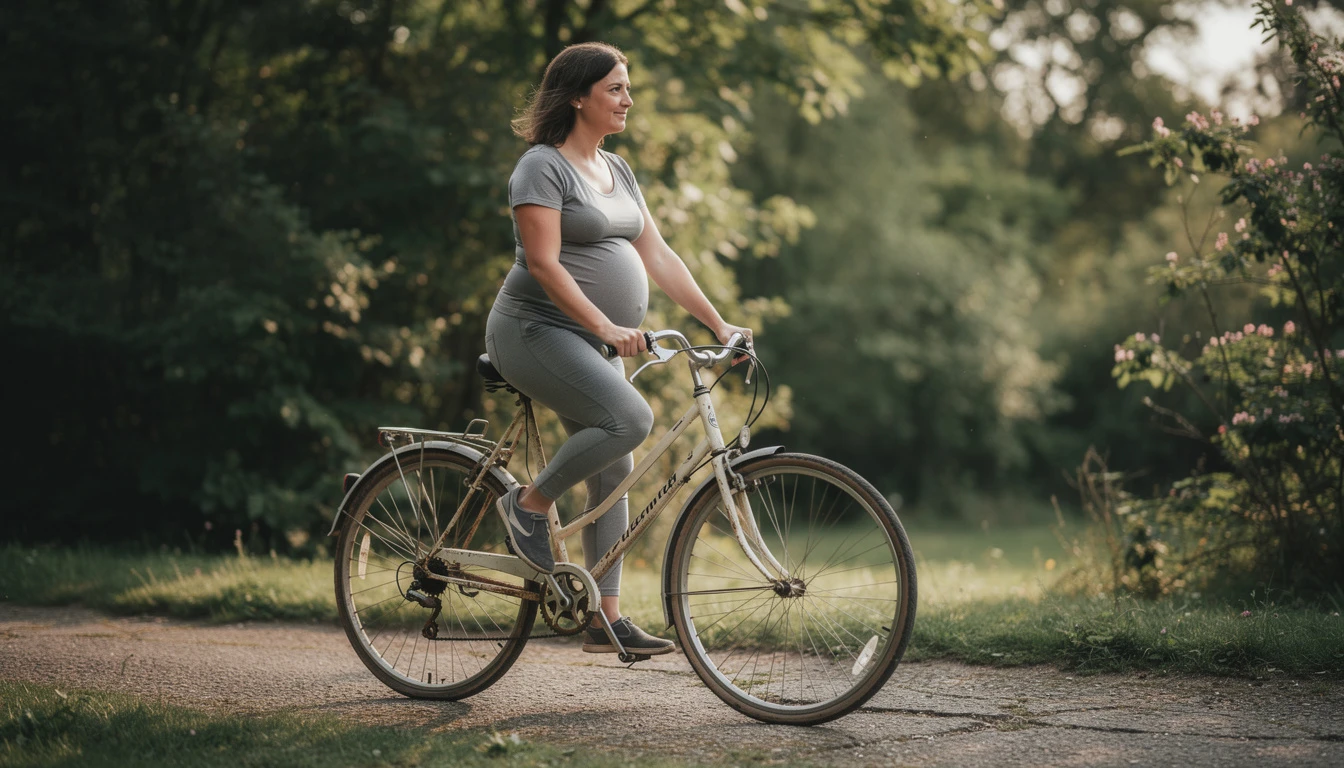
Questions about physical activity often arise during pregnancy, and cycling—appreciated by many for its flexibility and health benefits—frequently tops the list. Does cycling fit into a healthy pregnancy routine? For anyone considering whether exercise is generally safe in pregnancy or curious about modifications or precautions needed, it helps to explore key facts, expert recommendations, and real-life experiences.
What do medical authorities say about cycling during pregnancy?
Most leading medical organizations agree that exercise is generally safe in pregnancy when there are no complications or restrictions advised by a healthcare provider. Cycling is often listed among low-impact exercise options, especially for those already familiar with the activity. Still, consulting a doctor before starting or continuing a cycling routine stands as an essential first step for every expectant parent.
Recommendations from medical authorities emphasize that individual circumstances matter significantly. Every new exercise regimen—including cycling—should be discussed openly during prenatal visits, particularly if pain, dizziness, or unusual symptoms develop. Medical professionals offer guidance on intensity, duration, and types of safe movement tailored to each person’s needs.
Why do some choose cycling as their preferred exercise during pregnancy?
Cycling provides a gentle cardiovascular workout and can contribute to mental clarity, emotional well-being, and time outdoors. For individuals who cycled regularly prior to pregnancy, maintaining this habit brings continuity and comfort. However, each stage of pregnancy introduces unique changes, making it important to assess how cycling fits best for safety and enjoyment.
Throughout pregnancy, balance, joint stability, and energy levels naturally shift. Some may find traditional outdoor rides less comfortable after the first trimester, while others benefit from adjustments such as using upright bikes or opting for shorter routes. The adaptability of cycling during pregnancy allows fine-tuning based on daily comfort and doctor-approved advice.
Benefits of cycling during pregnancy
Incorporating cycling into a prenatal fitness plan offers both physical and emotional rewards. Health experts highlight that regular, moderate-intensity low-impact exercise brings numerous advantages to expectant parents, especially when combined with mindful pacing and attention to bodily signals.
- Maintains cardiovascular fitness and overall stamina
- Relieves stress and boosts mood
- Supports healthy weight gain and improves sleep quality
- Enhances muscle tone and circulation in the legs
The social aspect should not be overlooked. Joining local riding groups (with proper safety considerations) or participating in indoor cycling classes helps foster connections with other expecting individuals, transforming activity into a fun and motivating experience rather than a chore.
Risks of cycling during pregnancy and precautions to consider
No form of physical activity is entirely without risk, and cycling during pregnancy presents certain concerns. Bodily changes affect the center of gravity and reaction times, increasing the likelihood of falls. Environmental factors like traffic, uneven surfaces, or unpredictable weather can further heighten these risks. Careful planning and vigilance remain crucial.
One effective way to reduce potential hazards involves switching from traditional cycling to stationary or indoor cycling as a safer alternative. Stationary bikes remove environmental dangers such as moving vehicles and slippery roads, also allowing for breaks whenever necessary. This approach encourages riders to listen to their bodies and stop if discomfort appears.
Common risks associated with cycling during pregnancy
It is important to acknowledge the possible downsides encountered while cycling during pregnancy. These include:
- Increased risk of falling due to altered balance
- Joint discomfort or pelvic pressure from extended sitting
- Fatigue, overheating, or dehydration, especially in warm conditions
Being aware of these risks enables timely adaptation. Choosing familiar routes, staying well-hydrated, and stopping immediately if dizzy or short of breath help minimize negative outcomes. Quick consultation with healthcare providers for any unusual symptoms offers reassurance and safety.
Modifications and precautions for a safer ride
Simple modifications or precautions can help preserve the many benefits of cycling during pregnancy. Consider the following tips:
- Opt for a wider, cushioned saddle to provide extra support
- Adjust the bike frame or handlebars for easier mounting and dismounting
- Avoid high-traffic areas and rough terrain
- Select breathable clothing and supportive footwear
- Ride alongside a companion, particularly in later stages of pregnancy
These small adjustments make a significant difference. Limiting sessions to shorter durations can prevent fatigue, and riding during daylight hours enhances visibility and overall safety.
Key safety guidelines every expectant cyclist should follow
Anyone still questioning whether cycling is safe during pregnancy will appreciate clear, practical steps before setting out. Focusing on safety transforms each ride into a positive and enjoyable experience, even as the body undergoes various changes.
- Obtain approval from a healthcare provider before beginning or continuing cycling
- Choose low-impact exercise formats whenever feasible
- Monitor heart rate and breathing to avoid overexertion
- Stay hydrated before, during, and after every session
- Pay close attention to warning signs and respond promptly
- Prefer stationary bikes if outdoor terrain or commuting seems risky
Above all: always listen to your body and stop if discomfort arises. Prioritizing well-being is more important than completing a set route or achieving a distance goal. Flexibility and self-compassion go a long way, especially as each trimester brings new sensations and needs.
Frequently asked questions about cycling and pregnancy
Is cycling safe during pregnancy for beginners?
For those new to cycling, pregnancy may not be the ideal moment to begin intensive outdoor rides. However, light stationary cycling can serve as a safe introduction to low-impact exercise, especially when supervised by a professional. Beginners benefit most from gradual progression and attentive monitoring of how the body responds.
- Start with 10–15 minutes per session and increase gradually
- Always consult a healthcare provider before starting
When should someone stop cycling during pregnancy?
Cycling should be stopped immediately if experiencing vaginal bleeding, severe abdominal pain, or dizziness. Advanced stages of pregnancy, reduced balance, or specific medical advice may also indicate that it is time to pause this activity temporarily or permanently.
- If advised by a healthcare professional
- Upon experiencing concerning symptoms or discomfort
Are stationary or indoor bikes a safer alternative during pregnancy?
Yes, stationary or indoor cycling as a safer alternative is highly recommended by many health experts. Indoor environments eliminate risks posed by uneven pavements, vehicle traffic, and adverse weather. These bikes also allow for easy seat adjustments and climate control, ensuring added comfort throughout pregnancy.
- Reduces risk of fall-related injuries
- Enables real-time adjustment of resistance and speed
- Allows immediate stopping if needed
| Type | Main risk level |
|---|---|
| Outdoor cycling | Medium–High |
| Stationary cycling | Low |
What are the main benefits of cycling during pregnancy?
Many report improved mood, enhanced cardiovascular health, and relief from common aches. It aids in healthy weight management and sustained energy, while also reducing stress and supporting better sleep quality.
- Mood stabilization and decreased anxiety
- Maintenance of overall fitness levels
- Alleviation of swelling or leg cramps