
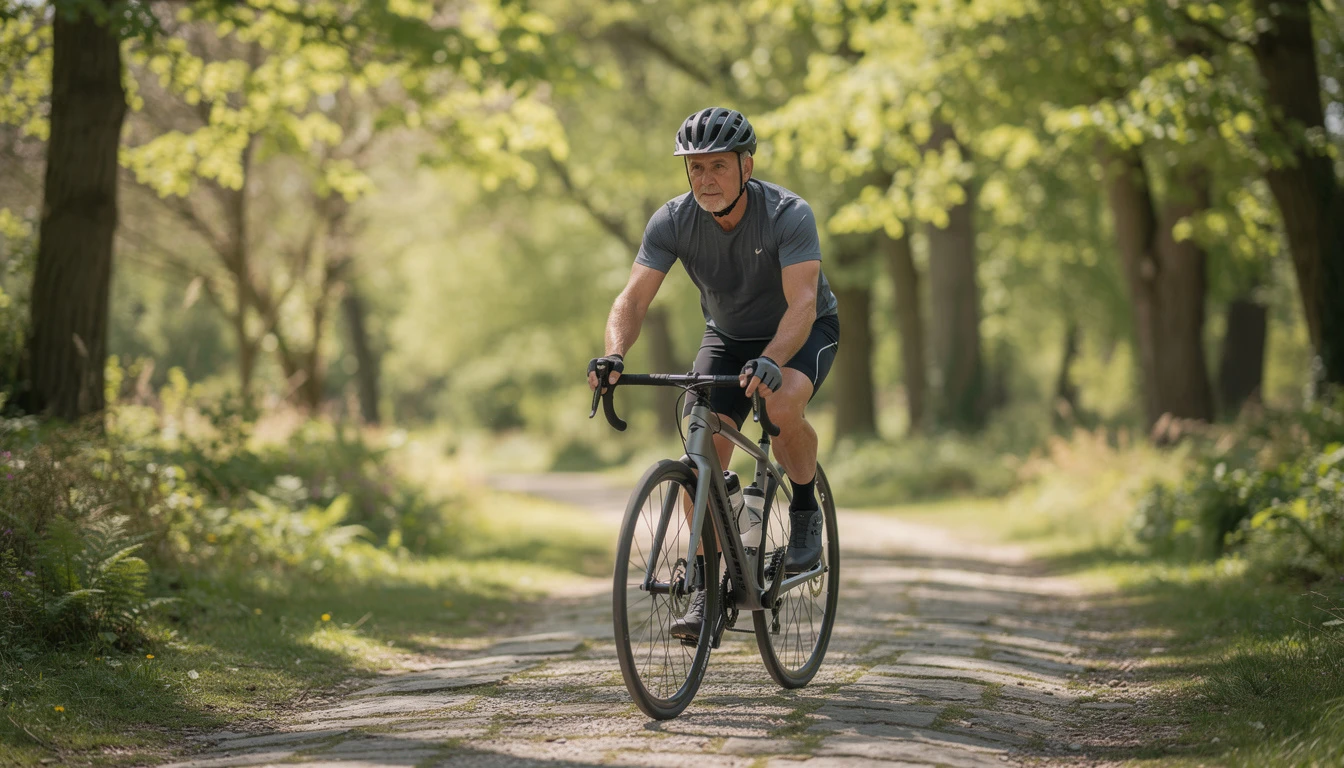
Chondromalacia patella, commonly known as runner’s knee, can often feel like a significant obstacle for those wanting to remain active. The search for a joint-friendly workout frequently points toward cycling as low-impact exercise. But is this activity truly suitable for individuals managing persistent knee pain? Here, the pros and cons are examined to determine how cycling fits into the approach for living with chondromalacia patella.
The role of cycling as low-impact exercise
Cycling stands out because it places minimal direct pressure on the knees compared to running or other high-impact sports. This quality makes cycling appealing for those seeking cardiovascular fitness without aggravating sensitive joints. For anyone recovering from knee injuries or surgery, the gentle movement patterns found in cycling often become a cornerstone of various rehabilitation programs.
Stationary bike use takes that control even further, reducing risks of unexpected twists or impacts that could worsen symptoms. With adjustable resistance, stationary bikes allow for gradual increases in intensity, which means workouts can be tailored to comfort levels and medical advice.
Why knee pain relief starts with movement
Gentle pedaling boosts blood flow around the kneecap, helping deliver nutrients essential for healing and recovery. These smooth, repetitive movements can decrease stiffness typically seen with chondromalacia patella. Many notice that consistent cycling helps ease discomfort during everyday activities such as climbing stairs or getting up from a chair.
However, the potential for cycling to cause pain remains if technique or equipment are not properly adjusted. Paying close attention to sensations during or after rides is vital. Any new swelling or sharp pain should prompt a reassessment of the current routine or a consultation with a healthcare provider.
Key considerations for prevention of knee pain during cycling
Successful, pain-free sessions depend on proper preparation and body mechanics. The importance of proper bike setup, especially seat height and saddle positioning, cannot be overstated. A seat set too low increases pressure at the front of the knee, where chondromalacia pain is most noticeable. Raising the seat improves alignment, making better use of leg muscles and lowering stress on vulnerable tissues.
Attention to pedal stroke and cleat alignment also keeps motion fluid and the joint moving smoothly. Supportive footwear, regular stretching, and favoring flat terrain all contribute to added protection for the knees.
- Adjust seat height so the knee remains slightly bent at the bottom of each pedal cycle.
- Ensure toes point forward throughout rotation for optimal tracking.
- Use moderate resistance—avoid heavy gears that force unnecessary muscle compensation.
- Warm up before every ride, no matter the length.
- Gradually increase time and distance rather than making sudden changes.
The science behind strengthening exercises and knee health
Knee stability relies on the right balance of flexibility and strength in surrounding muscles. Weakness in the quadriceps is often linked to increased irritation under the kneecap, since these muscles guide patellar movement during activity.
Consistent strengthening quadriceps not only enhances cycling technique but also builds long-term resilience against flare-ups. Developing targeted routines remains a core strategy in effective management of chondromalacia patella.
Why strengthening quadriceps and vmo matters?
The vastus medialis oblique (VMO), part of the larger quadriceps group, plays a key role each time pedals are pressed down. Strengthening the VMO promotes healthy tracking of the kneecap along the femoral groove, reducing the risk of irritation or grinding sensations common with this condition.
Combining specific exercises—like terminal knee extensions and straight-leg raises—with cycling produces the best results. Bike-based sessions paired with floor routines create well-rounded improvements for daily movement and athletic performance.
The impact of hip strengthening and overall rehabilitation exercises
Surprisingly, weak or tight hips may place additional strain on the knee joint, potentially intensifying symptoms. Incorporating hip strengthening into a comprehensive rehabilitation plan is crucial. Movements such as clamshells, side leg lifts, and bridges enhance lateral stability, supporting more efficient motion both on and off the bike.
Regular cycling combined with select rehabilitation exercises teaches the body to engage multiple muscle groups together. Consistency in this approach forms the basis for lasting relief and steady progress in physical activity.
Are there any risks or drawbacks connected to cycling with chondromalacia patella?
Despite being considered a gentler activity, cycling carries potential challenges. Poor form or overuse can trigger flare-ups, while skipping warm-up routines or rapidly changing resistance may introduce new discomfort instead of easing pain. This highlights the importance of patience and self-awareness through every training phase.
A structured routine—including rest days and ongoing symptom monitoring—helps prevent setbacks. Open conversations with healthcare providers and, when possible, physical therapists provide valuable guidance, particularly for those experiencing frequent pain during rides.
- Track frequency and duration of cycling, avoiding sudden increases.
- Notice any grinding sounds or clicking beneath the kneecap during or after rides.
- Apply ice following sessions to manage inflammation, if recommended by a professional.
- Stay alert for aches spreading to the back or sides of the knee.
Frequently asked questions about cycling and chondromalacia patella
Can cycling worsen chondromalacia patella if done incorrectly?
Cycling may aggravate chondromalacia patella if performed with poor form or improper bike setup. Attention to seat height and pedal alignment prevents excess pressure on the kneecap. Experiencing new or sharper pains calls for stopping activity and consulting a professional, as continuing through discomfort risks worsening tissue irritation.
- Check seat and handlebar positions before each ride.
- Start with lower resistance and build up gradually.
How does strengthening the quadriceps support knee pain relief?
Strong quadriceps stabilize the kneecap during repeated motions like cycling and help prevent misalignment responsible for pain. Targeted exercises focused on the VMO improve patella tracking, decreasing friction on cartilage. Adding floor-based strengthening moves to weekly routines maximizes mobility and supports those facing chronic knee concerns.
- Straight-leg raises
- Step-downs
- Isometric contractions
What advantages does stationary bike use offer for rehabilitation?
Stationary bike use offers a controlled setting to adjust workload and avoid outdoor hazards like uneven ground. Resistance adjustments make it easier to tailor sessions to individual capability, allowing for gradual progression. Exercising indoors on a stationary bike reduces the chance of unpredictable impacts, making it versatile for post-surgery or early-stage recovery needs.
Which additional exercises contribute to preventing pain recurrences?
Rehabilitation routines extending beyond the knee itself accelerate overall recovery. Hip strengthening, core activation, and flexibility work help distribute forces evenly during movement. These strategies reduce the likelihood of recurring problems and boost overall athletic ability.
- Clamshells for hip stability
- Bridges targeting glutes and thighs
- Dynamic calf stretches