
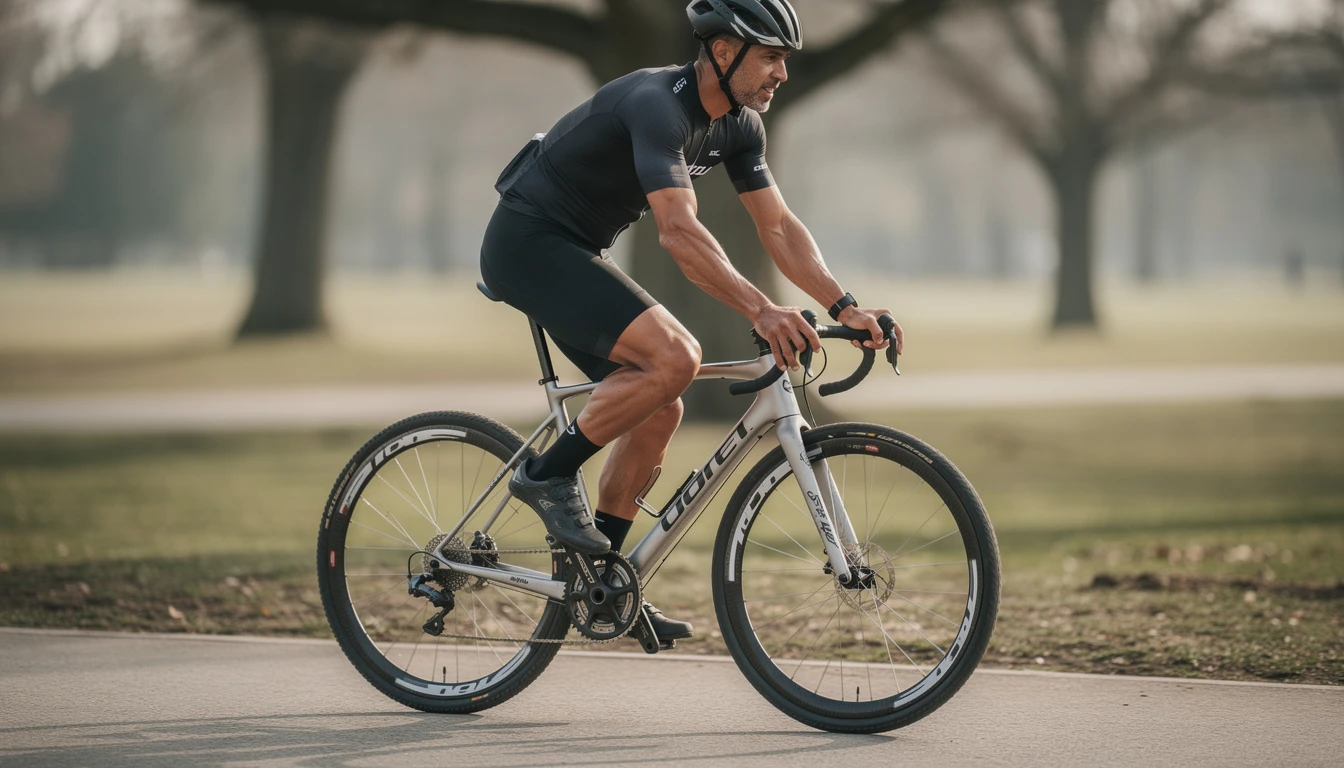
Many individuals start cycling to enhance fitness, sculpt the physique, and enjoy some fresh air. Yet, when examining the reality of this activity, is cycling truly a full-body workout, or does it mainly qualify as a leg-focused exercise? This question sparks ongoing debate among cyclists, trainers, and fitness enthusiasts. Let us break down which muscle groups are worked, where core activation enters the picture, how the upper body gets involved, and how cycling compares with other popular workouts.
Cycling and its impact on muscle groups worked
The repetitive movements in cycling primarily target specific lower-body muscles, making it feel like an intense leg-centered activity. However, there is more happening beneath the surface when considering overall muscle recruitment and the body’s holistic response during a ride.
Most riders quickly notice that constant pedaling puts significant demand on the thighs. Still, the effects of cycling reach beyond quad burn and tired calves—especially as posture improves and endurance grows with experience.
Where does leg-focused exercise fit in?
Cycling unmistakably stands out as a leg-focused exercise. The pedaling action relies heavily on the quadriceps, hamstrings, and calves. Each pedal stroke strengthens these areas, building stamina and muscle definition in the lower body over time.
Glute activation also comes into play with every push against resistance, especially during hill climbs. Those seeking even greater engagement from the glutes can adjust seat position or include intervals requiring bursts of speed or climbing efforts.
How much core activation happens when cycling?
Although cycling is not typically associated with ab training, core activation is essential for maintaining balance and proper form on the bike. Upholding alignment, stabilizing during turns, and leaning into climbs all require engagement from the core muscles.
While these movements may not rival targeted ab exercises, consistent rides certainly contribute to midsection strength. Many routines incorporate standing intervals out of the saddle, intensifying the core effort needed for stability.
Upper body involvement: fact or myth?
At first glance, one might assume little happens above the waistline while cycling. In reality, there is a surprising degree of upper body involvement, especially regarding posture, control, and advanced techniques.
Cyclists must grip handlebars, steer, brake, and shift hand positions for comfort during longer rides. While this does not match heavy strength training, it still ensures the shoulders, forearms, chest, and back receive moderate engagement throughout most sessions.
What helps boost upper body activation?
Tackling uneven terrain, steep hills, or sprinting often demands added force from the arms and shoulders. At higher intensities, riders use upper body strength for both stability and momentum, pushing or pulling handlebars to enhance performance.
Commuters weaving through city traffic or mountain bikers navigating trails will particularly notice increased hand and arm fatigue. In these situations, teamwork between the core and upper body becomes essential for injury prevention and greater efficiency.
Does cycling count as strength training for the whole body?
Traditional cycling falls short compared to classic strength training moves like squats, deadlifts, or bench presses regarding complete muscle overload. Although cycling is excellent for building muscular endurance and lean tissue in the legs, it does not deliver the same hypertrophy results across the entire body.
Those aiming for a true full-body workout often combine cycling with off-bike activities such as resistance bands, push-ups, or weight machines. This approach complements the lower body conditioning gained on the bike.
Aerobic/cardio workout and the heart and lung benefits
One undeniable advantage of cycling lies in its impressive aerobic/cardio workout potential. Every session sustains elevated heart rate, increased breathing, and improved oxygen uptake, which together translate into better cardiovascular health.
Whether riding outdoors or on a stationary trainer, regular cycling boosts heart and lung capacity. Beginners often notice that daily tasks become less tiring thanks to the enhanced aerobic base developed on two wheels.
The comparison to other workouts: is cycling enough?
Comparing cycling with running, rowing, swimming, or gym-based strength programs highlights some key differences. While each method offers unique muscle demands, cycling sits somewhere in the middle on the spectrum of full-body fitness.
Cycling excels as a joint-friendly activity for those wanting heart and lung benefits without excessive impact. However, for balanced muscle group development, supplementing with other routines leads to more comprehensive results.
- Cycling targets legs and glutes primarily, with supportive core and limited upper body gains
- Rowing delivers a closer full-body workout due to continuous arm, back, and leg integration
- Swimming demands coordination of arms, legs, and core against water resistance
- Running builds leg strength with intense cardio, yet underutilizes the upper body
- Strength circuits using free weights best achieve equal emphasis across all muscle regions
Active lifestyles thrive most by mixing disciplines. Many experts recommend blending regular cycling with stretching, strength sessions, or cross-training options to engage additional muscle groups, boost metabolism, and keep things enjoyable.
Common questions about whether cycling counts as a full body workout
Which muscle groups get worked the most during cycling?
Cycling predominantly works the quadriceps, hamstrings, calves, and glutes. The core is engaged for stabilization, especially during out-of-the-saddle riding or sharp turns.
- Quadriceps (front of thigh)
- Hamstrings (back of thigh)
- Glutes (buttocks)
- Calves
- Core (abs and lower back)
| Muscle group | Activation level |
|---|---|
| Legs | High |
| Core | Moderate |
| Upper body | Low |
Can cycling replace traditional strength training?
While cycling significantly builds endurance and tones the lower body, it does not provide the same full-muscle overload as lifting weights. For balanced strength, pairing cycling with resistance training is recommended.
- Cycle regularly for cardio and leg muscle conditioning
- Add at least two days per week of weighted resistance exercises
- Incorporate flexibility practices for mobility
How can cyclists increase upper body involvement?
Cyclists can select hilly routes, try mountain biking, or add off-bike exercises like push-ups and rows for better upper body balance. Using varied hand positions and focusing on stable shoulder alignment also increases engagement during rides.
- Mountain biking for enhanced arm and core usage
- Interval sprints demanding upper body drive
- Regular upper body resistance workouts
Does cycling provide enough aerobic/cardio workout for heart health?
Yes, consistent cycling improves heart and lung function by raising pulse and breathing rates. It delivers strong aerobic benefits similar to brisk walking or light jogging, supporting cardiovascular wellness.
| Workout type | Cardio benefit |
|---|---|
| Cycling | Excellent |
| Swimming | Excellent |
| Weight training | Moderate |