
Many individuals find themselves striving to shed pounds and question whether indoor cycling truly supports their efforts. This popular activity, often associated with body fat reduction, is far more than just energetic music and spinning wheels. It has gained a reputation among fitness enthusiasts for its potential impact on weight loss effectiveness. Exploring the reasons behind its popularity reveals why so many turn to this workout when aiming for visible changes on the scale.
The mechanics behind indoor cycling
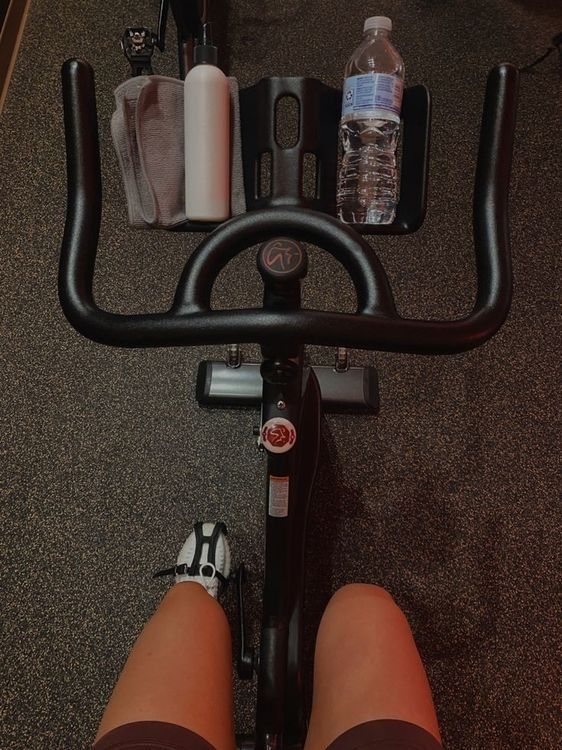
Indoor cycling is not merely about quick pedaling; it is fundamentally grounded in achieving a calorie deficit. This principle lies at the heart of any successful attempt at losing weight. By consistently burning more calories than are consumed, one encourages fat loss and positive changes in body composition.
A significant draw of indoor cycling comes from its versatility. Whether sessions take the form of steady-state rides or involve intense intervals, this low-impact exercise suits various fitness levels while reducing strain on the joints.
How calorie burn influences weight loss effectiveness
The impressive calorie burn achieved during spin classes and stationary bike workouts is a major reason for their widespread appeal. Depending on intensity, participants may burn between 300 and 600 calories per hour, sometimes even more during demanding HIIT workouts. Such energy expenditure directly contributes to maintaining the energy deficit necessary for steady weight loss.
Engaging regularly in vigorous cycling does more than just burn calories during the session. It also elevates metabolism, leading to continued energy use after leaving the bike. This metabolic boost enhances overall weight loss effectiveness by extending calorie consumption beyond active workout periods.
Types of indoor cycling workouts for fat loss
Selecting the appropriate training method plays a crucial role in making indoor cycling a valuable component of any weight management strategy. Most routines fall into two principal categories: interval-based workouts and longer endurance-focused efforts.
HIIT and resistance training: Maximizing intensity
High-intensity interval training (HIIT) stands out for those seeking rapid calorie burn and accelerated fat loss. These workouts alternate short bursts of maximum effort with brief recovery phases, resulting in elevated heart rates and extended post-exercise calorie expenditure.
Incorporating resistance training—by increasing the tension on the bike—demands greater muscular effort. This approach promotes both muscle building/retention and a higher resting metabolism, which are essential for ongoing body composition improvements.
Steady-state rides: Endurance pays off
Not every cycling session needs to reach peak intensity. Steady-state rides focus on maintaining moderate effort over longer durations, offering consistent cardiovascular benefits and reliable calorie expenditure. Over time, these rides enhance the body’s ability to utilize stored fat efficiently, supporting gradual and sustainable weight control.
Consistency remains a key factor. While high-intensity intervals provide immediate results, regular steady rides contribute meaningfully to body fat reduction because they are accessible and easier to recover from, encouraging long-term adherence.
Benefits beyond the scale
Focusing solely on weight can overlook other valuable advantages. Indoor cycling offers a range of health benefits that extend well beyond numbers on a scale or clothing sizes.
Improved cardiovascular health ranks highly among these perks. Each ride stimulates the heart and circulatory system, gradually increasing endurance and reducing the risk of chronic illnesses. As a low-impact exercise, indoor cycling is especially suitable for those who experience joint discomfort, allowing full participation without aggravating existing issues.
Muscle building/retention and metabolic edge
Pursuing weight loss without considering muscle preservation can limit progress. Fortunately, indoor cycling challenges major lower-body muscles such as the glutes, quadriceps, hamstrings, and calves. Keeping resistance levels sufficiently high fosters muscle building/retention, contributing to a healthier physique.
An increase in lean muscle mass leads to a more efficient resting metabolism. With more muscle, the body naturally burns additional calories throughout the day—even outside structured workouts—providing a continuous advantage for sustainable fat loss.
Optimizing results: Practical tips and common pitfalls
Maximizing progress involves careful attention to how often sessions occur, introducing variety, and making mindful lifestyle choices. Switching between class formats helps sustain motivation and prevents stagnation.
Although daily workouts might seem appealing, balance is essential. Sufficient rest allows muscles to recover and grow, enhancing outcomes from both HIIT and steady-state approaches. Proper nutrition is equally important; consuming the right foods before and after exercise helps maintain performance and supports the desired calorie deficit.
- Alternate challenging interval days with lighter recovery sessions.
- Monitor portion sizes and total intake to sustain a calorie deficit.
- Add resistance work by adjusting bike tension regularly.
- Track progress to stay motivated and accountable.
Frequently asked questions about indoor cycling and weight loss
Can indoor cycling alone lead to significant weight loss?
Indoor cycling provides ample opportunities for substantial calorie burn, helping create the calorie deficit required for fat loss. For best results, combining cycling with healthy eating habits and, if appropriate, additional forms of exercise greatly increases the chances of achieving and maintaining meaningful weight loss.
- Consistent workouts accelerate progress.
- Dietary habits play an equally important role as exercise.
How many times per week should someone cycle indoors for weight loss?
Most specialists suggest three to five sessions each week for noticeable weight loss effectiveness. Individual requirements will depend on current fitness level, personal goals, and ability to recover. Incorporating variety—such as alternating HIIT, steady-state rides, and resistance training—further supports ongoing progress.
- Start with three sessions per week.
- Gradually increase frequency as conditioning improves.
- Include adequate recovery time to prevent overtraining.
Does indoor cycling help with muscle building or just fat loss?
Indoor cycling primarily targets fat loss through high calorie expenditure, but it also assists with muscle building/retention, particularly in the legs. Utilizing higher resistance settings and performing out-of-saddle intervals further challenge muscle groups, supporting lean mass preservation and improving metabolism via enhanced muscle tone.
| Focus | Effect |
|---|---|
| Fat loss | Increased through sustained calorie deficit |
| Muscle retention | Supported by regular resistance training |
What are the key advantages of indoor cycling compared to running?
Indoor cycling offers a low-impact exercise alternative to running, easing pressure on ankles, knees, and hips. Both activities support body fat reduction, yet cycling enables precise control over intensity and presents a reduced risk of overuse injuries, making it accessible to a broader spectrum of people.
- Gentle on joints for those with sensitivities
- Effective in delivering cardiovascular benefits
- Adaptable for different fitness levels